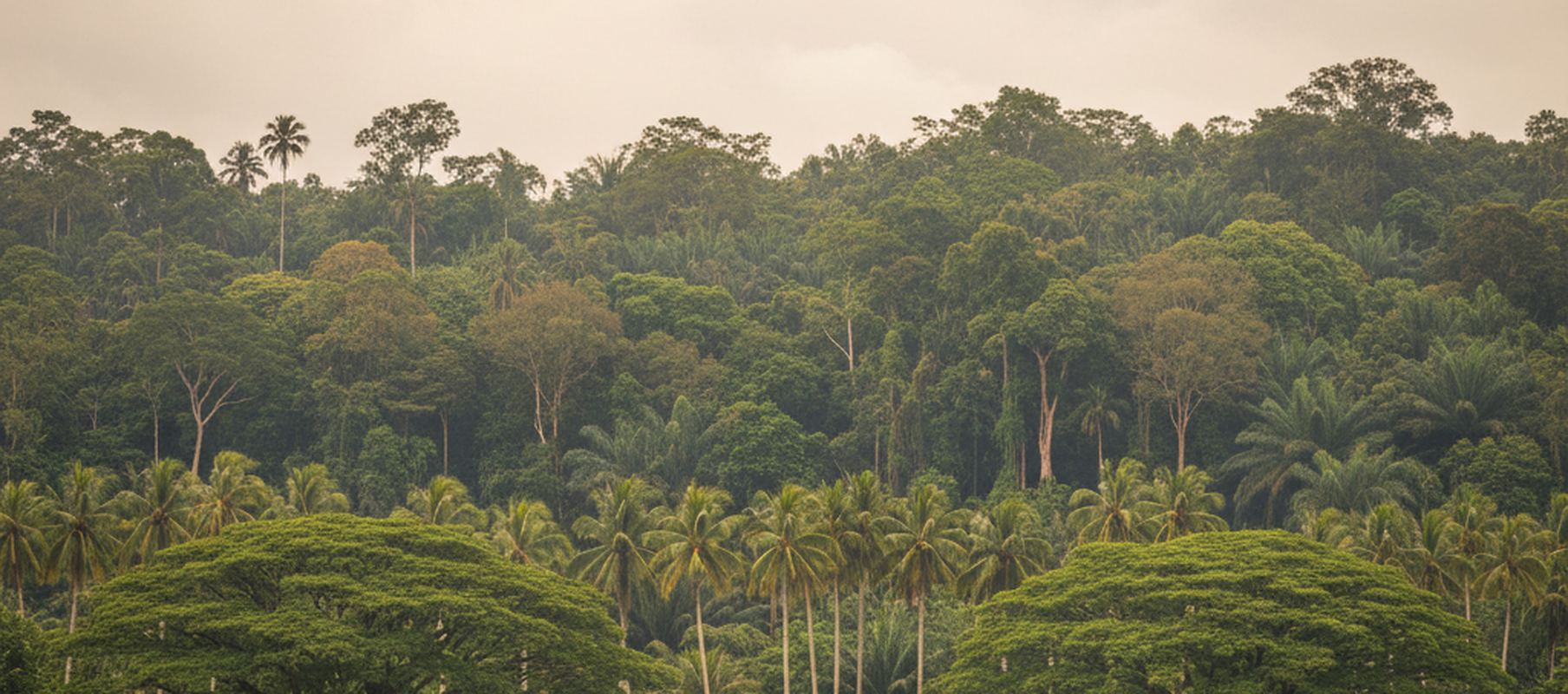
What three nights here actually buy
A Taiping vacation package covers three nights of ground arrangements in the former state capital of Perak, forty eight kilometers northwest of Ipoh and seventy eight southeast of George Town. The office books a room and road transport inside Peninsular Malaysia and nothing more. Reaching the country is your own arrangement, and the price is quoted per person on the basis of two people sharing one room.
Taiping was the state capital once and then it was not, and not much has been built over since. The grid the British laid out is still the grid, flat and short, so you can cross the old center on foot in under half an hour. Nothing in the three days begins at a set hour except one road up the hill, and that road runs through the day.
Who would not enjoy this: anyone who wants a coastline, a shopping street, or a list of sights to tick off. Taiping is wet, green and slow, and the reward is sitting under a hundred year old tree with a cold drink while an ordinary town gets on with an ordinary Tuesday. If that reads thin, choose another page.
The gardens on the old mines
The gardens opened in 1880 on worked out tin ground given over by Chung Keng Quee, which makes them the first public garden of the colonial period in this country. Sixty four hectares, about ten linked ponds with names like Swan Lake, Oblong Pond and Jungle Lake, and a road that runs between them. The water is the old mine, not a design.
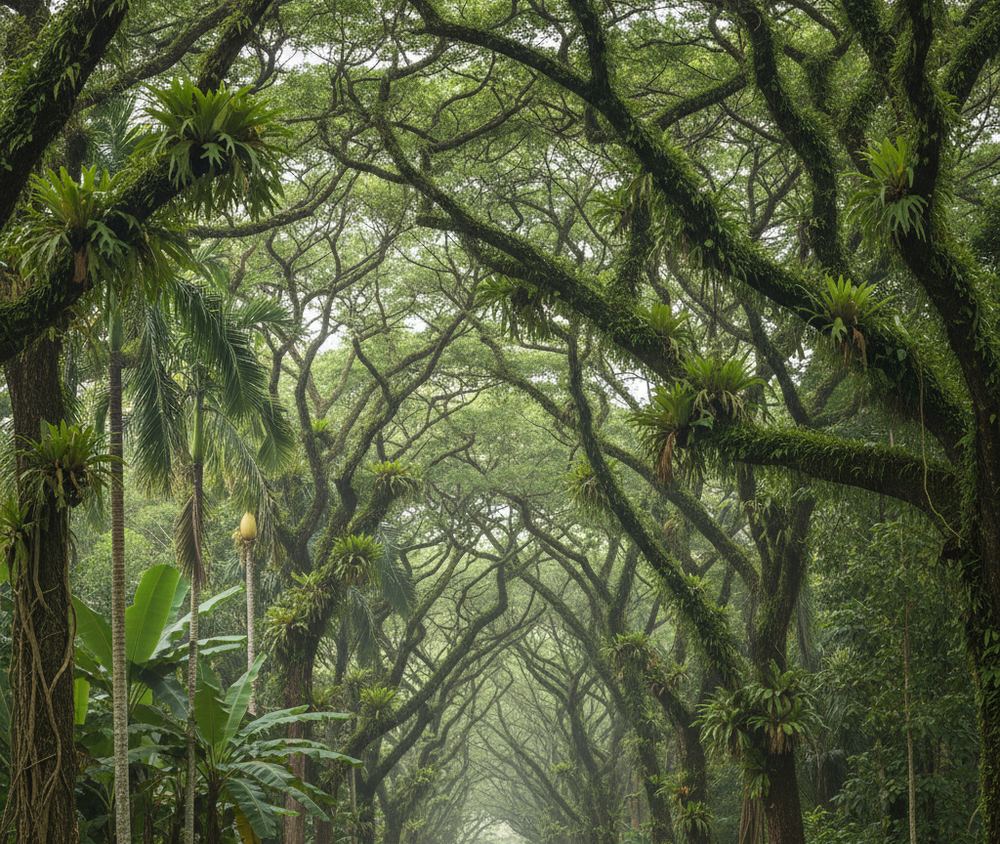
The rain trees are why people photograph the place. Samanea saman, planted more than a century ago along the park road, limbs running out level a long way before dipping toward the water, carrying ferns and other plants along the bark. The circuit of the ponds is flat and short enough to walk twice in a morning, and it is the sort of walk you end up repeating.
One practical thing. This is among the wettest towns in the country as a matter of record, roughly three thousand two hundred millimeters a year against two to two and a half thousand for the peninsula as a whole, and even the driest month in the record averages one hundred and fifty nine millimeters. Bring a light waterproof and shoes you do not mind soaking.
Bukit Larut and the one road up
Bukit Larut, called Maxwell Hill until 1979, sits about ten kilometers southwest of the center and rises past twelve hundred meters. It opened as a hill station in 1884, and the way up is a single lane road of roughly thirteen kilometers, shut to private cars. The district office runs four wheel drive vehicles up and down it, and you can also go up on foot.
Seats are few, each vehicle carries a handful of people, and the runs go when they go, so this is the one stretch of the three days that keeps to a schedule you did not set. It costs half a day. Walking up instead costs nothing but legs: roughly thirteen kilometers of steady climbing on tarmac, hairpin after hairpin, and in this heat that is genuine work. Anyone with bad knees should ride at least one way.
What is up there is a cool, damp ridge with colonial bungalows on it, some dating to the eighteen eighties, and a tea garden laid out in 1887 on what had been an Assam tea estate. The hill records the heaviest rainfall in the country, up to about five thousand eight hundred millimeters a year, so the road is sometimes shut for repair after landslips and the vehicles do not always run. Ask on the first morning, not the last.
The museum, the church, the graves
The Perak Museum was founded in 1883 by Sir Hugh Low, which makes it the oldest in the country. The main building took until 1886 for want of money, and wings went on in 1889, in the early eighteen nineties and again after 1900. It stands where Jalan Muzium meets Jalan Taming Sari. Natural history, ethnography, geology: cases of it, arranged the old way.
Further out on Jalan Taming Sari is All Saints', founded in 1886 and consecrated the following year, built in timber with meranti panels on hardwood frames, designed by an Australian architect named G. A. Lefroy on land given by a planter, W. V. Drummond. A stained glass window from 1911 is still in it. The graveyard beside it holds people who died young and a long way from home.
The war cemetery holds more than eight hundred and fifty graves from the Second World War, over five hundred of them unidentified, and the Commonwealth War Graves Commission still cuts the grass. None of these three places needs booking. Check ahead around public holidays, since that is the only thing likely to shut a door on you.
The market hall and the road west
The market sits in the middle of the grid under its own roof, and it is a working wet market, not a display: fish on wet concrete, mounds of chilies and calamansi, banana leaf, blocks of gula melaka. The produce side runs early and thins out as the morning goes, which is how these markets work across the country. Go with the intention of eating rather than buying.
Taiping eats plainly and well. Popiah rolled to order, chee cheong fun under sweet sauce and sesame seed, mee rebus, rojak, and cendol built from shaved ice, coconut milk and palm sugar. The office books no meals at all, on the principle that anyone who decides where you eat has taken the day off you.
The one drive worth making is west to Kuala Sepetang, formerly Port Weld, which was the far end of the first railway line built in this country. The first train ran on 1 June 1885 carrying tin, the track was lifted in the nineteen eighties, and the old ticket booth and signboard are what is left. There are mangrove boardwalks in the Matang reserve and charcoal kilns that burn bakau wood. Curry mee there is sold in the afternoon only.
What here answers to somebody else and not to you
- The Lake Gardens are open public ground with no gate and no ticket, so the walk around the ponds happens whenever you wake up, including before breakfast and after dark.
- One room is held for all three nights in the old town, so there is no packing morning, no onward transfer to be ready for, and no day lost to moving.
- One thing does keep hours: the road up Bukit Larut is single lane and shut to private cars, so the district vehicles run it and seats go as they go. That is half a day out of three nights, and you can walk the road instead and set your own pace.
- Nothing here goes as a group. There are no fixed start dates, no other travelers to wait on, and nobody standing at a meeting point with a clipboard.
The hatching beside each price says how much of the trip runs to somebody else's timetable: one line for none of it, four for a trip built around fixed departures from the first morning to the last.
What the figure holds and what it leaves to you
Held inside the figure
- Three nights of a mid range room in the old town, based on two people sharing
- Private road transport at each end, to and from a rail station or city in Peninsular Malaysia
- Tickets arranged for the district four wheel drive run up Bukit Larut, one return trip per person
- A half day with a local driver for the run west to Kuala Sepetang and the Matang boardwalks
- A written walking route of the old grid with the museum, the church, the cemetery and the market marked on it
- One point of contact in Malaysia, by phone and by message, for the whole three nights
Left outside it, on purpose
- Flights, and any travel by sea, at any stage of the trip
- Everything needed to reach Malaysia and to leave it again
- All meals and all drinks, including breakfast unless the property puts it in
- Entry charges at the museum and anywhere else that charges one
- Anything on Bukit Larut beyond the ride, including a bed on the hill
- Laundry, phone credit, and anything else personal to you
- Tips, which are not expected of you and are yours alone to decide
A price on this site covers the ground only: the rooms, the named transfers between them, and the people who meet you. It does not cover getting to the country or leaving it.
We answer every request with a written plan naming the room type, the per person price and everything it leaves out, and nothing is held until you agree to it in writing.
The months this one is worth the journey
There is no dry season here in the ordinary sense. The record shows roughly three thousand two hundred millimeters over a year, against two to two and a half thousand across the peninsula, and June, the least wet month in the record, still averages one hundred and fifty nine. Plan each day so that two hours under a roof costs you nothing.
If you are choosing by the record rather than by hope, the middle of the year reads driest and the end of it reads wettest, with the turn of the monsoons in the last quarter putting the most water on the west coast. The hill takes more rain than the town does. None of this tells you what your own three days will be.
What this one will join to
- the Penang and Perak vacation package, the west coast intercity line, standard class, 1h to 1h 30m
- Two town Perak vacation package, Train on the electrified main line, or the road., Under an hour whichever you pick. The track between the two stations measures 28.2 km, station post to station post. By road it is about 35 km.
Send the dates you are turning over and how you want the days shaped, and we will write back with something you can argue with.
Asked about this one more than once
- Do I need to be fit for Bukit Larut?
Only if you walk it. The road is about thirteen kilometers of continuous climbing on tarmac through a long series of hairpins, and in this heat that is real work. The district four wheel drive service exists so that you do not have to, and riding both ways is a perfectly ordinary choice. When the road is shut for repair, nobody goes up, on wheels or on foot.
- Is three nights too long for a town this size?
It is the right length if you want a town rather than a list. Two nights turns the hill into a rush and cuts the coast out altogether. Four begins to sag unless you are reading in the park, which some people do on purpose. Three gives you one hill morning, one afternoon on the coast, and two days in the old grid with nothing written in them.
- What does the price cover, and is it per person?
Eight hundred and seventy is per person for ground arrangements only, worked out on two people sharing one room. It does not cover travel to Malaysia or away from it, and it never will, because this office arranges nothing in the air and nothing at sea. Meals are yours too, which in a town that eats like this one is a point in its favor.
Reserve a month rather than a date
Tell the office which month you have in mind and it will answer with what that month makes possible and what it shuts.