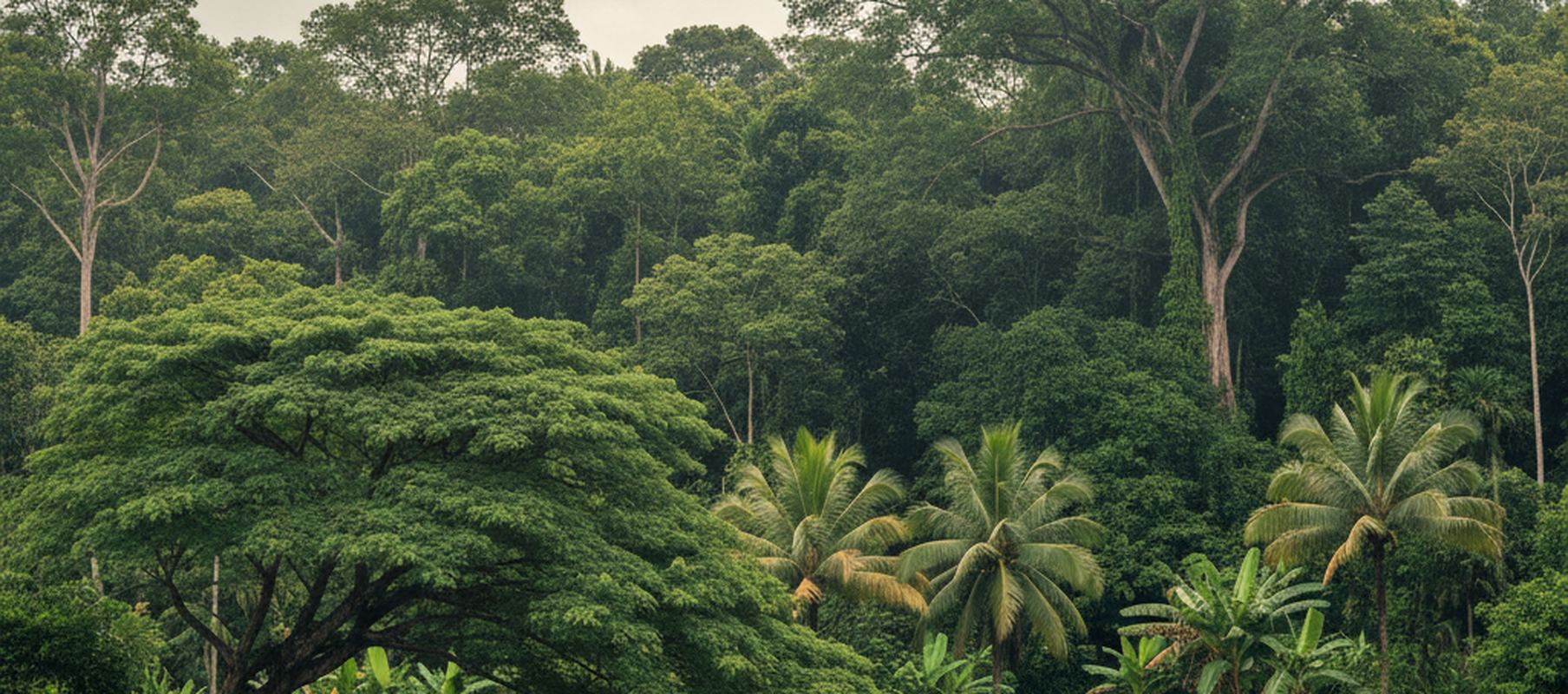
What the five nights are
This is one trip with a seam in the middle. A Perak vacation package here means three nights in Taiping, a short move up the valley, and two nights in Kuala Kangsar. The two towns sit about thirty five kilometers apart in the same river country, and the office sells them as one five night stay because each one explains the other. Taiping is what tin money built and then quit building. Kuala Kangsar is the older royal seat that the tin money went around.
The seam is deliberately short. Twenty eight kilometers of track separate the two stations, and both stations are a walk from where you will be sleeping, so the move costs you a morning at most. The price is the two stays added together. Putting them side by side does not change that arithmetic in either direction.
Taiping, three nights
The gardens were mines. When the tin was worked out, the flooded ground was left behind as a chain of ponds, and in 1880 someone planted around them; it became the first public garden of the British period in the country. The rain trees along one stretch of the road are about a hundred years old and their limbs come down almost to the water, so you walk under them rather than past them. It is a flat, unhurried hour and you can do it twice without getting bored. Bring shoes that do not mind being wet.
Behind the town stands Bukit Larut, its upper station at about 1,250 meters and the peak behind it at 1,448. The road up is one lane and thirteen kilometers long, shut to ordinary cars; well used four wheel drive vehicles work it between nine and five, and the only other way is to walk, which is a genuine climb. This is the piece of the trip that most often does not come off, so try it on your second morning and keep the third in hand. Down at ground level the grid is the other half. Taiping ran Perak from the eighteen seventies until 1937, when the capital moved to Ipoh, and the street plan never got any bigger afterward. The first railway in the country opened here in 1885 and its rails were lifted in the nineteen eighties. What is left is a compact, walkable grid with covered arcades down both sides of the street, which you will be glad of.
Kuala Kangsar, two nights
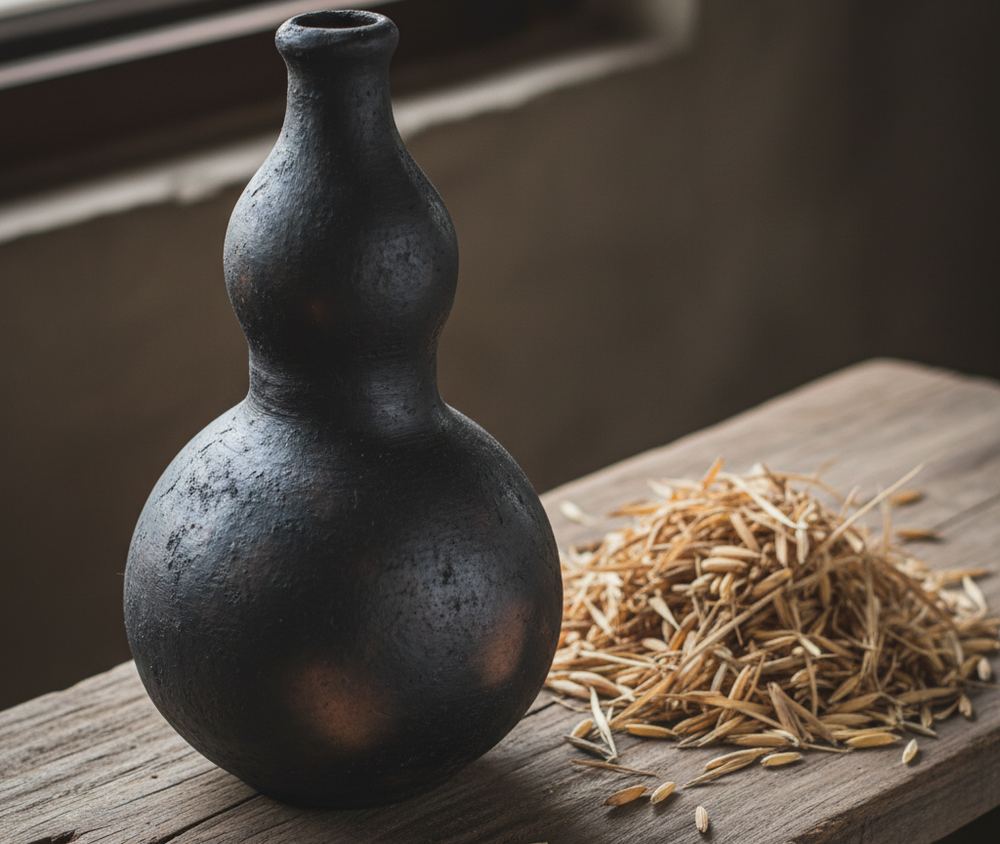
The town stands where the Kangsar river runs into the Perak, and the name is read as a hundred minus one, the ninety ninth stream to reach the big water. That river is the spine of both days. A passenger boat crosses to the Sayong bank in about ten minutes for small change, and there are two bridges as well, one in concrete near the town and one in steel farther upstream. Sayong is where the clay water pitchers are made, gourd shaped, blackened, still a village trade. They are fired to between 850 and 900 degrees, then stood on rice husks; the heat held in the clay smolders the husks with almost no air, and the smoke darkens the surface in roughly five minutes. Watching it done takes less time than reading about it.
Up at Bukit Chandan is the Ubudiah mosque, drawn by Arthur Benison Hubback, the same hand behind the railway stations at Ipoh and Kuala Lumpur. Work on it stalled through the First World War, and at one point an elephant walked across the imported Italian marble and cracked it. Visiting is arranged around the daily prayers, so ask at the gate rather than assume. Close by is the timber palace finished in 1926 that now holds the state's royal collection: two stories, pegs and mortises, built by a carpenter from Bukit Mertajam working with his sons. It posts nine to five, though a wooden building of that age gets closed for repair now and then, so check before you plan a morning on it. The working palace sits up on its knoll in Art Deco stone, put there after the flood of 1926 drove the old one off the riverbank; it is in use, so you look from the road and no closer. In the middle of town a clock tower does duty as a traffic circle. In the grounds of the town offices there is a rubber tree. Nine seedlings came out of a London botanic garden by way of Singapore in 1877, and that is the one that lived.
What it asks of you, and who should not book it
Nothing in either town is laid on for visitors, which is most of the appeal and all of the friction. Both museums post nine to five and keep no weekly closing day, which sounds generous until you count what that means: a five o'clock close, a hill road that quits at five, and a mosque whose visiting turns on the prayer clock. Between them they own about half of your five days. The other half is yours with nothing scheduled in it at all. If you want a trip where somebody else holds the watch, or one where nobody does, this sits between the two and will irritate you either way.
Skip this pair if you need dry days. Taiping is on record as the wettest town in the country, the hills directly above it carry the highest annual average in Malaysia at around 5,800 millimeters, and even the driest month in its record still runs to about 159. Skip it if you want evenings out; Kuala Kangsar after dark is a small town on a river and that is all of it. Skip it if five nights of uneven pavement, wet shoes and climbing into an elderly vehicle reads as work rather than a day well spent. What you get instead is two towns twenty eight kilometers of track apart, made by the same metal, that turned out nothing alike.
The move in the middle
Both stations sit close to their town centers, Taiping's on Jalan Stesen and Kuala Kangsar's on Jalan Sultan Idris, so you walk on at one end and walk off at the other with nothing in between. The line under you is the rebuilt double track, electrified, rated for 140 km/h. Between the two towns it runs through the Bukit Berapit twin tunnel, 3.3 kilometers under the Bintang range, cut between 2008 and 2013 and the second longest rail tunnel in the country. You are out the far side before you have settled.
The catch is that these are long distance trains whose times are fixed at the ends of the route, not for the twenty eight kilometers you want. So the ride is the easy part and the waiting is the real cost. If the day's timetable does not suit, the road runs about 35 km through Changkat Jering and Bukit Gantang and it goes when you go. Either way, do not build a day around this. It is a move between two stays, not an outing.
- How
- Train on the electrified main line, or the road.
- How long
- Under an hour whichever you pick. The track between the two stations measures 28.2 km, station post to station post. By road it is about 35 km.
- How often
- Several long distance workings a day call at both towns, plus the slower local service, which adds a halt at Padang Rengas in between. Nothing like an hourly clock. Read the posted times the night before you move.
- Who runs it
- The train, when a departure suits your morning. Otherwise the road.
Each end taken by itself
- Book the Taiping vacation package, 3 nights, $870 on its own
- Kuala Kangsar vacation package, two nights, 2 nights, $640 on its own
Three nights in Taiping plus two nights in Kuala Kangsar comes to $1,510 per person, two people sharing one room, ground only.
Clocks that run this pair
- Neither the museum in Taiping nor the royal collection in Kuala Kangsar publishes hours that can be verified from here, so the office telephones both for your dates.
- Both shut only for the first days of the two Hari Raya holidays. Look up those dates for your year before you fix the five nights.
- The road up Bukit Larut is closed to ordinary cars. The four wheel drive vehicles that work it run between 9 a.m. and 5 p.m.
- Visiting at the mosque at Bukit Chandan is arranged around the five daily prayers, and the middle of Friday is the longest of those gaps. Ask at the gate on the day.
- The passenger boat between the town and the Sayong bank crosses often through the day and takes about ten minutes.
What the figure holds and what it leaves to you
Held inside the figure
- Five nights of rooms, two people sharing one room: three nights in Taiping, two in Kuala Kangsar.
- The move between the two towns, by train when the day's timetable suits and by road when it does not, held for you against the times actually running that week.
- A written plan for the five days with the posted hours already read off against your dates.
- The booking of the move between the two towns, set against the timetable actually running that week.
- Current admission prices for both museums, the hill road and the river crossing, sent before you leave.
- An office phone number for the trip, answered during the working day.
- One change of dates after booking, made in writing.
Left outside it, on purpose
- Getting to Malaysia and getting home again. This price begins and ends on the ground in Perak.
- Museum admission, the seat in the hill road vehicle, and the river crossing.
- All meals and drinks in both towns.
- Any guide or escort. Nobody meets your train, walks you around either town, or rides the hop with you.
- Tips, laundry, and anything you carry home from Sayong or Jalan Tebing.
A price on this site covers the ground only: the rooms, the named transfers between them, and the people who meet you. It does not cover getting to the country or leaving it.
Prices are from $1,510 per person, two people sharing one room, ground only. We confirm the two stays, the dates, the room and the posted hours for your dates in writing, and the final figure is confirmed when the booking is placed.
The months this pair holds together
The rain is the fact of Taiping and there is no season that argues with it. The town is on record as the wettest in the country; the hills right above it hold the highest annual average in Malaysia, around 5,800 millimeters; and the driest month in its own record still takes roughly 159. I am not going to tell you what your week will do. I will tell you that the shophouse arcades run unbroken down both sides of the street, that you can cross most of the old grid without leaving cover, and that people here have long bet on the hour it arrives rather than the day.
Kuala Kangsar keeps its own record of water. After the flood of 1926 the palace was moved off the riverbank and up onto the knoll where it stands today, which tells you what the Perak river is capable of. For planning purposes, though, the calendar that matters more than the sky is the pair of Hari Raya holidays: the two museums close for the first days of each, and they are the only days all year that they do. Fix those dates first, then choose your week.
Asked about this one more than once
- Is the hop between the two towns included in the price?
Yes. A pair on this list is one trip, so the move between the two towns sits inside the figure along with both stays. What the figure does not carry is anything that gets you to Malaysia, and it never will, because this office arranges nothing in the air and nothing at sea.
- Do the museums close one day a week, the way museums usually do?
No, and it catches people out. Both post nine to five every day of the week. The only closures are the first days of the two Hari Raya holidays. What actually shapes your days is the five o'clock close and the hill road vehicles, which finish at five as well.
- Do we need a car?
Not for either town. Taiping's grid is walkable and Kuala Kangsar is smaller again. You would want wheels for two things only: the Sayong side of the river if you would rather not take the boat, and the old railway bridge out at Karai, which carried trains until 2002 and now carries foot traffic and motorcycles. The hill above Taiping you cannot drive up yourself in any case, because that road is closed to ordinary cars.
Reserve a month rather than a date
Tell the office which month you have in mind and it will answer with what that month makes possible and what it shuts.